


The Spirit of Dartmoor.

The Spirit of Dartmoor
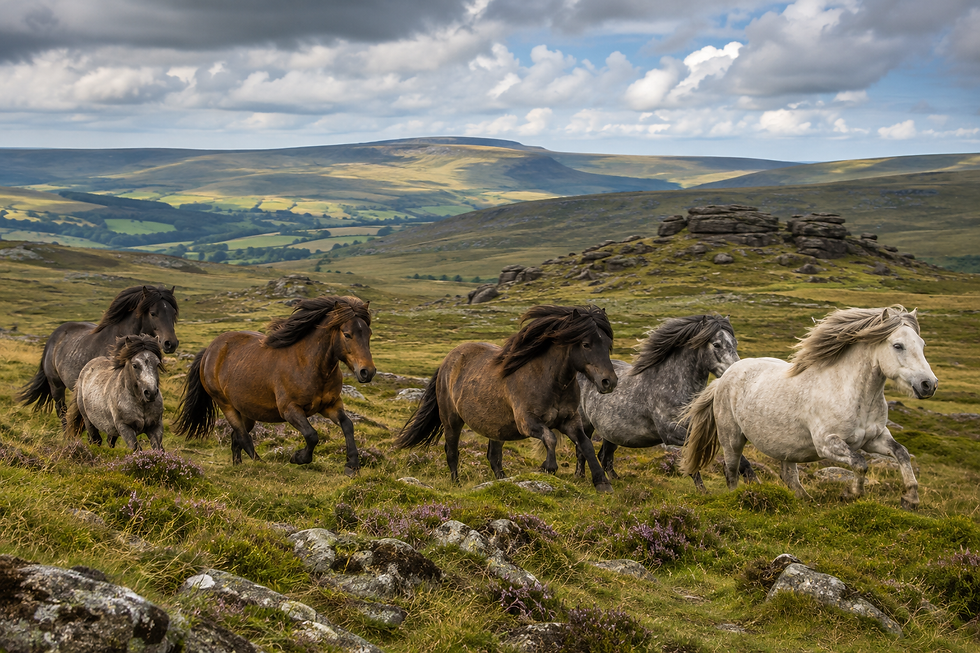
Across the windswept hills and ancient granite tors of Dartmoor, a small but remarkable creature has roamed for thousands of years. Long before roads, towns and modern boundaries, Dartmoor ponies were already part of this rugged landscape, shaping the moor and becoming woven into its history.
Strong, hardy and independent, these ponies have survived harsh winters, poor grazing and changing times. They are more than just animals; they are living symbols of Britain's wild heritage, carrying echoes of a landscape that has remained largely unchanged since prehistoric times.
For many people, the sight of a Dartmoor pony grazing freely against the backdrop of open moorland represents freedom, resilience and a connection to nature that is becoming increasingly rare in the modern world. Their presence reminds us that not all wild places have disappeared and that some ancient traditions still endure.
Today, however, the future of these iconic ponies is far from certain. Changes in land management, declining numbers and ongoing debates about their role on the moor have raised important questions about how we value and protect our natural heritage.
This page celebrates the beauty, history and importance of the Dartmoor pony, a living spirit of the moor and a reminder that some treasures are worth preserving for future generations.
A Pony from Ancient Times
The story of the Dartmoor pony stretches back thousands of years. Archaeological evidence suggests that small wild horses have lived on the moor since the Bronze Age, making them one of Britain's oldest native pony breeds.
For around 4,000 years, these hardy animals have adapted to the harsh conditions of Dartmoor. Exposed to strong winds, heavy rain and poor grazing, they developed the strength, endurance and resilience needed to survive in one of England's most challenging landscapes.
Throughout history, Dartmoor ponies have worked alongside local communities. They carried loads across the moor, helped farmers with daily tasks and played an important role in the lives of the people who lived there. Yet despite their usefulness, they retained much of their wild nature and continued to roam freely across the open moorland.
Generations of ponies have grazed the same hillsides and valleys, becoming as much a part of Dartmoor as the granite tors, rushing streams and ancient stone circles. Their presence links the modern world with a distant past, offering a glimpse of a Britain that existed long before cities, motorways and modern technology.
Today, when visitors see Dartmoor ponies wandering freely across the landscape, they are witnessing a living connection to thousands of years of history. Few animals in Britain can claim such a long and enduring relationship with the land they call home.

Life on the Moor
Life on Dartmoor is far from easy. The weather can change in an instant, bringing driving rain, thick mist, strong winds and bitter winter frosts. Yet for thousands of years, Dartmoor ponies have adapted to these conditions and continue to thrive where many other animals would struggle.
The ponies spend their lives grazing across the open moorland, feeding on grasses, heather, gorse and other hardy vegetation. By constantly browsing and grazing, they help prevent certain plants from dominating the landscape, allowing a wider variety of wildlife to flourish. In this way, they play an important role in maintaining the unique ecosystem of Dartmoor.
Dartmoor ponies are naturally social animals and often live in family groups. Foals are usually born during the spring and early summer, when the weather is milder and food is more plentiful. From a young age, they learn to navigate the moor, following older ponies and developing the skills needed to survive in the wild.
Their thick coats provide protection against the elements during winter, while their strong hooves are perfectly suited to the rough and often rocky terrain. Generations of natural adaptation have created a pony capable of enduring conditions that would challenge many modern breeds.
Visitors often see Dartmoor ponies standing calmly in the rain or grazing peacefully among the granite tors, appearing almost untouched by the changing seasons. Their quiet resilience reflects the spirit of the moor itself — rugged, enduring and deeply connected to the natural world.
To watch a Dartmoor pony roaming freely across the landscape is to witness a way of life that has changed little over thousands of years, a reminder that nature still holds a place where freedom and wildness endure.
Guardians of the Landscape
Dartmoor ponies are far more than a symbol of the moor; they are an essential part of the landscape itself. For centuries, their grazing has helped shape and maintain the character of Dartmoor, creating the rich and varied habitats that support countless other species.
As they move across the moor, the ponies graze on coarse grasses, gorse and scrub that might otherwise spread unchecked. This natural management helps maintain open areas where wildflowers, insects, birds and small mammals can thrive. Without grazing animals, parts of the moor could gradually become overgrown, altering the delicate balance that has existed for generations.
Their influence extends beyond the plants they eat. By moving across the landscape, they create pathways through dense vegetation, disperse seeds and contribute to the natural cycles that support a healthy ecosystem. In many ways, Dartmoor ponies act as nature's gardeners, quietly helping to preserve the biodiversity of the moor.
The relationship between the ponies and the land is ancient. Over thousands of years, both have evolved together, creating a landscape that is recognised and treasured throughout Britain. Remove the ponies, and Dartmoor would not simply lose an animal; it would lose part of its identity.
For many people, the sight of these hardy ponies grazing beneath wide skies is inseparable from the spirit of Dartmoor itself. They represent freedom, endurance and a connection to the natural world that reaches back through countless generations.
Protecting Dartmoor ponies is therefore about more than conserving a breed. It is about safeguarding a living piece of Britain's heritage and ensuring that future generations can experience the same sense of wonder that these remarkable animals inspire today.
An Uncertain Future
Despite their long history and cultural importance, Dartmoor ponies face an uncertain future. In recent decades, their numbers have declined, and many people are becoming concerned about the long-term survival of these iconic animals on the moor.
Modern farming practices, changing land use and increasing financial pressures on pony keepers have all contributed to the challenges they face. Maintaining traditional herds can be costly, and there are fewer opportunities for ponies to find homes and practical roles than there once were.
At the same time, debates continue about the management of Dartmoor's landscape and the number of grazing animals it can support. These discussions often involve complex environmental, economic and conservation issues, with passionate views on all sides.
Many conservationists, local communities and pony enthusiasts believe that Dartmoor ponies remain essential to the health and character of the moor. They argue that the ponies provide natural grazing that benefits wildlife while preserving a way of life that has existed for thousands of years.
The future of the Dartmoor pony will depend on finding a balance between conservation, responsible land management and the preservation of an important part of Britain's natural heritage. While challenges remain, there are many dedicated individuals and organisations working to ensure that these remarkable animals continue to roam the moor for generations to come.
For those who love Dartmoor, the question is not simply about protecting a breed of pony. It is about preserving a living link to the past and ensuring that the spirit of the moor remains alive in the landscape that shaped it.

Nature's Partnership
For centuries, Dartmoor ponies and sheep have shared the same landscape. This partnership benefits more than just the animals themselves.
Many internal parasites that affect horses cannot survive in sheep, and many sheep parasites cannot survive in horses. As the animals graze different areas of the same pasture, they help interrupt each other's worm cycles, reducing the build-up of parasites on the land.
This natural form of pasture management has been used by farmers for generations and is one of the reasons mixed grazing is often considered beneficial for animal health and the wider environment.
It is another example of how Dartmoor's traditional grazing animals work together to maintain the balance of the moor.
Reflection
In a world that is constantly changing, there is something comforting about knowing that some things still endure.
For thousands of years, Dartmoor ponies have roamed the moor beneath the same wide skies, through the same valleys and across the same windswept hills. They have witnessed countless generations come and go, surviving changing climates, changing landscapes and changing attitudes towards the natural world.
Perhaps that is why so many people feel such a strong connection to them. The Dartmoor pony represents something increasingly rare in modern life: freedom without fences, resilience without recognition and a way of life that exists in harmony with nature rather than in opposition to it.
These ponies ask for very little. They do not seek attention, recognition or reward. They simply live as they always have, following ancient paths across the moor and quietly fulfilling their role within the landscape.
Yet their value cannot be measured by economics alone. They are living history, woven into the identity of Dartmoor and into the story of Britain itself. To lose them would be to lose part of our connection to the past and part of the wild spirit that still survives within these ancient lands.
The future of the Dartmoor pony is ultimately a reflection of our own choices. It asks us a simple question: what kind of world do we wish to leave behind?
For as long as Dartmoor ponies continue to graze beneath open skies, there remains a reminder that not everything must be controlled, managed or changed. Some things are worth protecting simply because they are part of who we are.
Long may the spirit of Dartmoor roam free.
Comments